Get into... mountain biking
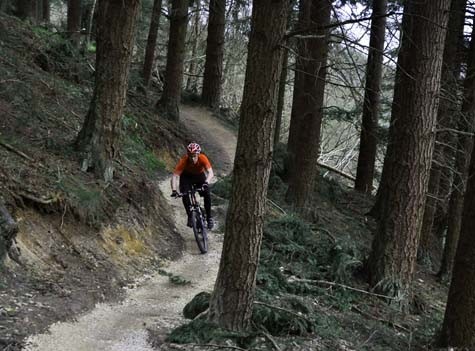
Mountain biking is a brilliant way to get some exhilarating exercise and get a bit closer to some of our more rugged landscapes. If you’re feeling a bit daunted by the thought of going off-road though, don’t despair! We’ve put together some top tips to help you get started – you’ll soon be loving those rocky trails!
1) Choose the right bike
If you're new to mountain biking, don't make the mistake of getting a cheap full suspension mountain bike – it'll be heavy and brittle. Look for the lightest mountain bike you can find that just has front suspension (a 'hardtail'). Ask at your local bike shop about the difference between a hardtail and full suspension mountain bike. If you're spending less than around £400, avoid disc brakes that are operated by cables. They work well in the shop and for the first month, but then go steadily downhill... You're better off with decent V-brakes – brakes pads either side of your wheel – as you can replace them easily and cheaply.
2) Make sure your bike fits you
On a mountain bike you move around a whole lot more that you do if you’re riding on flat surfaces. You need to be positioned so you can move your weight forwards and back to maintain traction, steering and balance. Whether you’re hiring or buying, make sure the bike’s small enough to allow you to do this effectively.
3) Dress for comfort (and mud!)
Nobody wears lycra to mountain bike, so don’t even go there! Loose-fitting, comfortable shorts and t-shirts are just fine. But it’s worth taking extra layers to cope with changing conditions. You'll get hot on climbs but could cool right down on exposed sections, so be prepared. And don’t be precious about your clothes or kit – accept that it’s pretty likely you’ll get a bit muddy.
4) Absorb the pressure
Your tyres need to be hard enough to prevent blow outs and wheel damage, but soft enough to cushion you and the bike from roots and rocks. Using a pump with a pressure gauge (which you can find in any Halfords store or bike shop), try to set your tyre pressure to around 30psi as a starting point. A floor pump which stands up on the ground will help. Otherwise ask at your local bike shop, as you’ll need to make sure you're using the right pump with a valve to suit your wheels. A valve opens and closes to let air in and out of the tyre. Most mountain bikes have valves the same size as those on your car – called Schrader valves, so you’ll need a pump to suit them. It's fairly muddy in the UK all year round so a medium mud tyre is a good bet for recreational use.
5) Find a trail that suits you
There are loads of great places to go mountain biking – forest paths, bridleways, and hill trails. Some of the best though are dedicated mountain bike trail centres. Different centres have different 'flavours' – some are rocky and technical, others are smooth and swoopy. Choose one that suits your ability – if you're new to off-road riding, try the beginner trails at man-made trail centres. You won't have to worry about getting lost, you'll just have to concentrate on riding. If you’re using bridleways, get an OS map of the area and know where you’re allowed to ride and where you're not.
6) Expect to fall off a few times, but be safe
No matter how good you are, there’s always an unexpected bump or rut that will appear out of nowhere and catch you out. Even advanced riders have to dust themselves down and get back on from time to time. But for goodness sake, stay safe and wear a helmet! Body armour might seem like overkill on a bike, but on some trails it’s well worth thinking about. A bit of protection is never a bad thing, right? Gloves are also a good idea whatever the weather. Your hands can take a bit of a pounding, especially if you’re sticking them out when falling off.
7) Choose the right gear
Being in the right gear is crucial to maintaining forward progress. Don't be tempted to drop to a low gear and spin furiously. It'll affect your balance, you'll lose traction or end up popping wheelies all over the place. With practice, you’ll soon get the hang of it.
8) Look ahead
When riding particularly rocky or tricky terrain, try to look two bike lengths ahead and plot the smoothest route through the rocks. Keep out of the saddle on technical sections and you'll be able to quickly shift your weight around and let your arms and legs absorb any shocks.
9) Wash it down
Just as you’ll probably get a bit muddy, so will your bike. If left to do their thing, mud and water can play havoc with your bike's moving parts. Try to wash your bike as quickly as possible after every ride. Most MTB trails have dedicated wash areas – if you stick in a pound you can use a high pressure water hose to get your bike dazzling in no time – very satisfying after a muddy ride!
10) Get the most out of your rides with training
Mountain biking is like most things – the more you put into it, the more you’ll get out of it. If you really want to learn the techniques and improve, we recommend getting some skills training on one of our bike maintenance workshops or a Bikeability course.
Most importantly, have fun and enjoy it! Mountain biking is a thrilling experience no matter what your ability.